
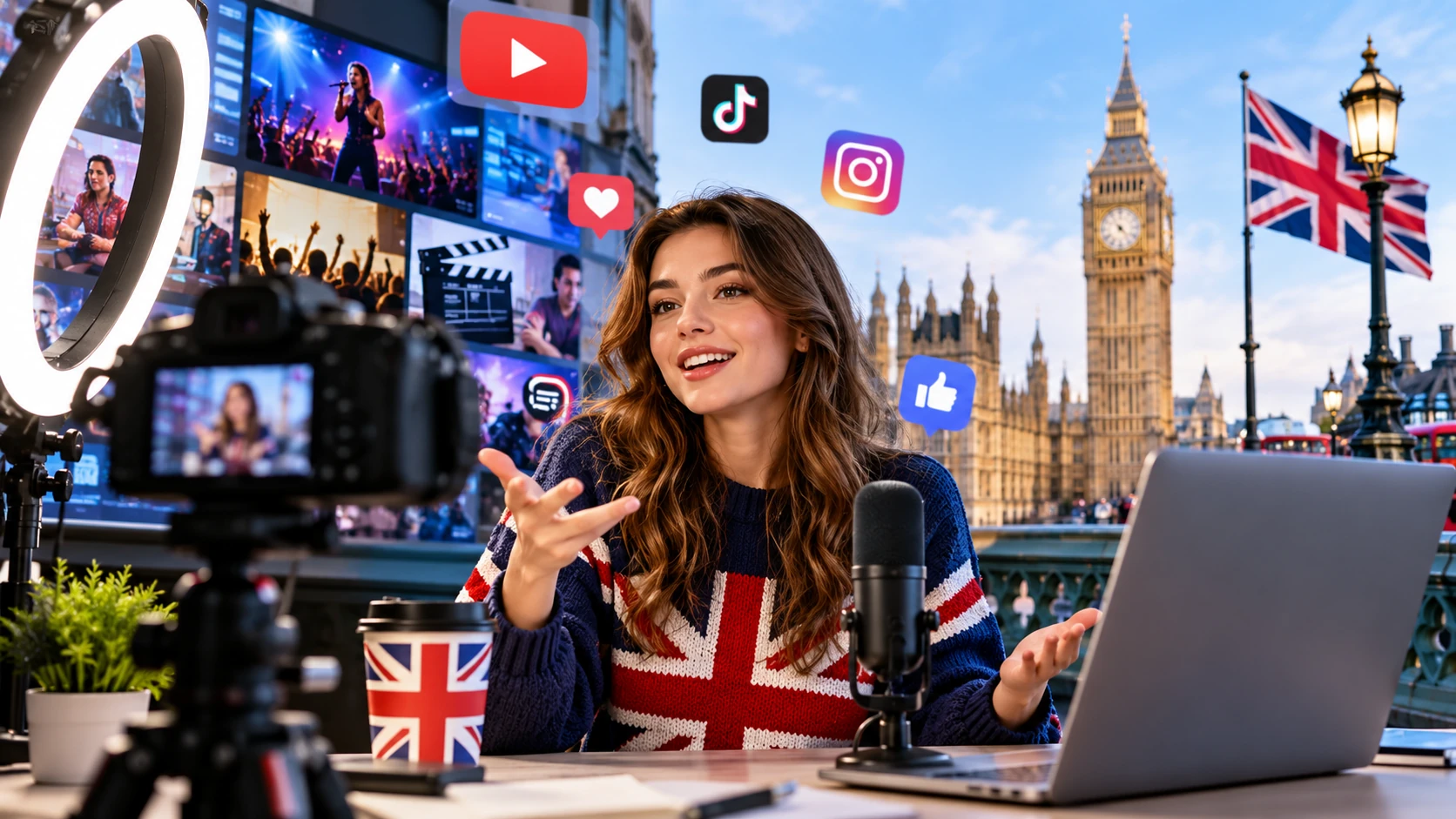
The entertainment industry has changed dramatically as digital creators have risen. In the past, films, television networks, record labels, and major publishers controlled much of the content people watched and listened to. Today, individuals can create videos, podcasts, music, livestreams, short-form content, and other forms of entertainment and share them directly with audiences around the world.
The Rise of Independent Creators
One of the biggest changes brought by digital platforms is that creators no longer need to depend entirely on traditional entertainment companies. A person with a smartphone, basic editing software, and an internet connection can potentially produce and distribute content.
YouTube channels, podcasts, social media accounts, livestreaming platforms, and independent websites have created opportunities for people to develop audiences around specific interests. A creator might focus on comedy, travel, gaming, cooking, education, music, fashion, or storytelling.
This has expanded the range of entertainment available to audiences.
Audiences Have More Choices
Traditional entertainment schedules often determined when audiences could watch particular programs. Digital content has made entertainment much more flexible.
People can choose what they want to watch and when they want to watch it. They can follow creators whose personalities and interests match their own preferences and discover new content through recommendations and social sharing.
This has contributed to a more personalized entertainment environment.
Short-Form Content Has Changed Viewing Habits
Short videos have become an important part of digital entertainment. Platforms built around brief videos allow creators to communicate ideas, jokes, stories, tutorials, and performances in a matter of seconds or minutes.
The format encourages creators to capture attention quickly. It has also created new styles of storytelling, editing, humor, and visual communication.
At the same time, longer videos, podcasts, and livestreams continue to attract audiences who want deeper content.
Creators Build Direct Relationships With Audiences
Digital creators can interact directly with their followers through comments, livestreams, community posts, and social media. This creates a relationship that can feel more personal than the traditional relationship between audiences and entertainment companies.
Creators can ask viewers what topics they want to see, respond to questions, and adjust future content based on audience feedback.
This two-way communication can make audiences feel like active participants rather than passive viewers.
New Opportunities for Monetization
Digital platforms have also created new ways for creators to earn income. Depending on the platform and audience, creators may generate revenue through advertising, subscriptions, memberships, sponsorships, merchandise, licensing, ticketed events, or direct support from followers.
This has created an emerging creator economy in which content production can become a professional career.
However, income can vary significantly, and building a sustainable audience often requires considerable time, consistency, creativity, and business skills.
Brands Are Working With Creators
Businesses have recognized the influence creators can have within specific communities. Instead of relying exclusively on traditional advertisements, brands may collaborate with creators to introduce products or services to relevant audiences.
Creators can demonstrate products, share experiences, create sponsored entertainment, or incorporate brands into their existing content.
Because audiences often follow creators for their personality and expertise, creator partnerships can provide a different style of communication from conventional advertising.
Technology Has Lowered Production Barriers
Modern smartphones, affordable cameras, editing applications, microphones, lighting equipment, and cloud-based tools have made professional-looking production more accessible.
Creators can record, edit, publish, and promote content without owning a traditional studio.
Artificial intelligence and other digital tools are also beginning to influence editing, scripting, visual creation, translation, and production workflows. These technologies may allow small teams and individual creators to experiment with ideas that previously required larger production resources.
Traditional Entertainment Is Adapting
The influence of creators has also affected established entertainment companies. Television networks, film studios, musicians, publishers, and other organizations increasingly use social platforms to promote projects and connect with audiences.
Some traditional entertainment companies also collaborate directly with digital creators or develop content designed specifically for online audiences.
The boundaries between traditional media and creator-led entertainment are therefore becoming less distinct.
New Challenges for the Industry
The growth of digital creators also brings challenges. Competition for attention is intense, and creators may feel pressure to publish frequently.
Misinformation, copyright concerns, online harassment, changing platform algorithms, and unpredictable income can also affect creators.
Another challenge is maintaining authenticity while working with sponsors and commercial partners. Audiences may expect creators to clearly distinguish personal opinions from paid promotions.
The Future of Digital Entertainment
Digital creators are likely to remain an important part of the entertainment landscape. As technology develops, creators will have access to new tools for storytelling, interactive experiences, virtual environments, and audience engagement.
The most significant change may be the increasing diversity of voices involved in entertainment. People no longer have to wait for a major company to discover them before sharing their work with an audience.
Digital creators have therefore helped transform entertainment from a system dominated by a limited number of producers into a much broader ecosystem. Their influence can be seen in how people discover content, interact with personalities, support artists, and spend their leisure time. As platforms and technologies continue to evolve, the relationship between creators, audiences, and traditional entertainment will continue to change.