
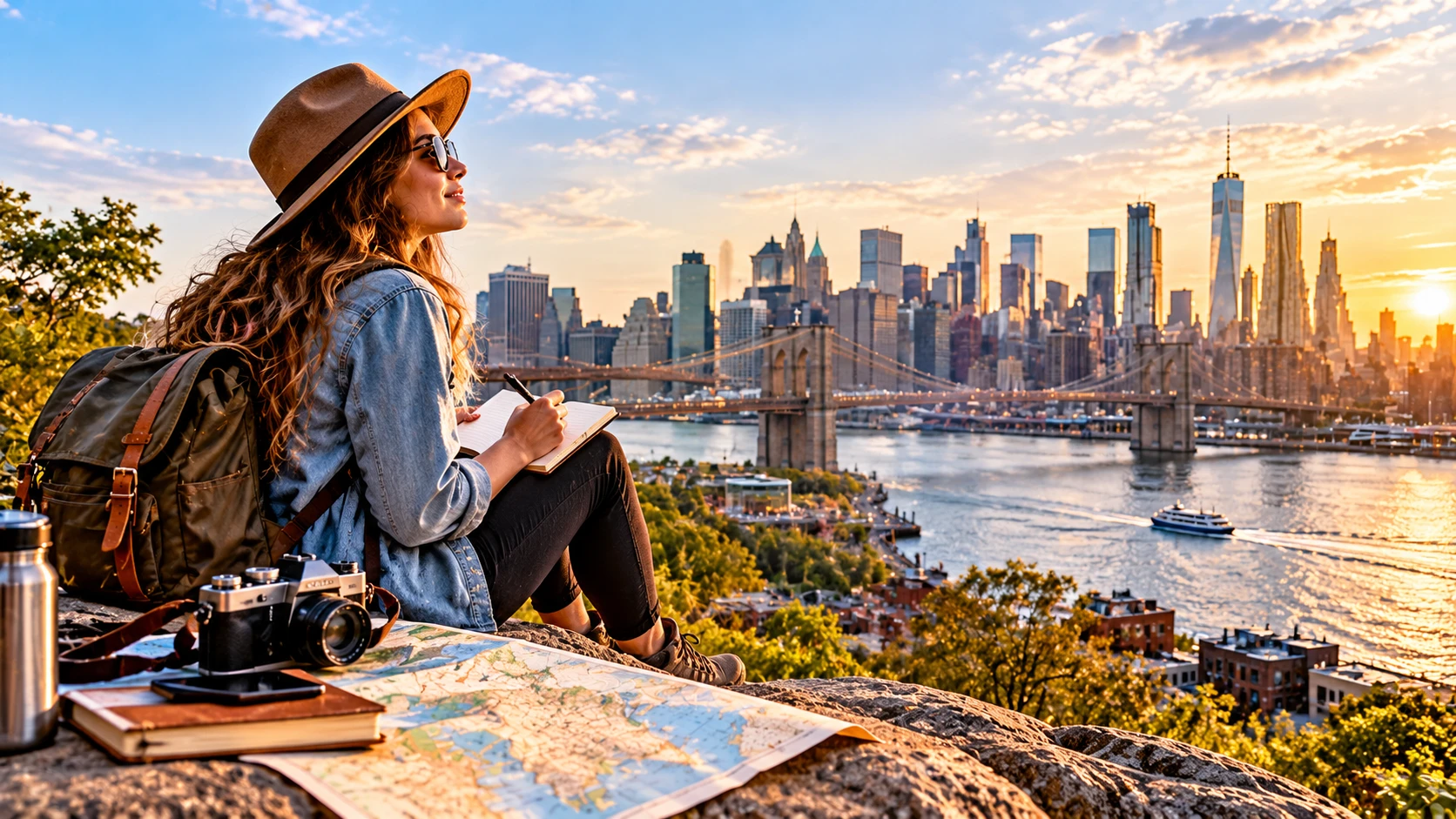
Travel is often associated with sightseeing, relaxation, and memorable experiences, but its benefits can extend far beyond taking a break from everyday life. Visiting new places can change how people observe the world, solve problems, communicate with others, and understand themselves. By introducing new environments and experiences, travel can encourage creativity while supporting personal growth.
New Environments Encourage Fresh Thinking
Daily routines can make life predictable. People often follow familiar routes, interact with the same groups, and solve similar problems repeatedly. Travel interrupts this routine by introducing unfamiliar surroundings.
A new city, culture, landscape, or activity requires travelers to pay closer attention. They may need to understand a different transportation system, communicate with unfamiliar people, or adapt to unexpected changes. These experiences encourage the brain to process new information and consider alternatives.
This change in perspective can help people approach familiar problems differently when they return home.
Exposure to Different Cultures Builds Creativity
Creativity often develops when people encounter ideas that differ from their usual experiences. Travel provides opportunities to observe different traditions, foods, architecture, art, languages, and social customs.
Seeing how other communities live can challenge assumptions and introduce new possibilities. A traveler might discover a different approach to cooking, design, education, business, or daily routines and later apply some of those ideas in their own life.
The value is not necessarily copying another culture. Instead, it comes from understanding that there can be multiple ways to approach the same situation.
Travel Encourages Curiosity
Curiosity is an important part of creativity. People who are curious tend to ask questions, explore possibilities, and look for connections between ideas.
Travel naturally creates opportunities for curiosity. A historic building may lead someone to research local history. A regional dish may encourage questions about ingredients and traditions. A conversation with a local resident may introduce an unfamiliar perspective.
These small discoveries can encourage people to become more observant and open-minded.
Problem-Solving Skills Develop Through Experience
Travel rarely goes exactly according to plan. Flights can be delayed, weather can change, directions can be confusing, or a planned attraction may unexpectedly close.
Although these situations can be frustrating, they also require problem-solving. Travelers must assess the situation, consider alternatives, and make decisions with the information available.
Over time, these experiences can increase confidence in handling unexpected situations. The ability to adapt can also become useful in work, education, relationships, and everyday life.
Travel Can Build Self-Confidence
Managing unfamiliar situations can help people recognize abilities they may not have noticed before. Successfully navigating an unfamiliar city, communicating despite language differences, or completing a challenging activity can create a sense of accomplishment.
Even small successes can reinforce the idea that unfamiliar situations are manageable.
This can contribute to greater independence and confidence, particularly for people who normally rely heavily on familiar routines.
Time Away From Routine Creates Space for Reflection
Travel can also provide an opportunity to slow down and reflect. Being away from regular responsibilities may give people more mental space to think about their priorities, goals, relationships, and plans.
A quiet morning in a new location or a long journey between destinations can provide time for uninterrupted thought. Sometimes, distance from everyday responsibilities makes it easier to recognize which aspects of life are satisfying and which may need attention.
Meeting New People Expands Perspectives
Travel creates opportunities to interact with people from different backgrounds. Conversations with residents, fellow travelers, guides, business owners, and other visitors can introduce new ideas.
Not every conversation needs to be deep or life-changing. Even brief interactions can challenge assumptions and demonstrate different ways of thinking.
These experiences can improve communication skills and encourage greater appreciation for perspectives that differ from one’s own.
Nature Can Stimulate the Mind
Travel to natural environments can also support creativity. Mountains, beaches, forests, deserts, lakes, and other landscapes provide visual variety that differs greatly from many people’s daily surroundings.
Spending time outdoors may encourage observation and reflection. Activities such as hiking, photography, sketching, or simply watching the landscape can give people opportunities to notice details they might normally overlook.
Travel Encourages Personal Growth
Personal growth often comes from experiences that challenge existing habits and beliefs. Travel places people in situations where they have to adapt, make decisions, and sometimes step outside their comfort zones.
The result can be greater independence, patience, flexibility, cultural awareness, and self-understanding.
Travel does not automatically transform someone. Its impact depends on how a person approaches the experience. Staying curious, respecting local cultures, trying unfamiliar activities, and reflecting on experiences can make travel more meaningful.
Bringing Travel Lessons Home
The benefits of travel can continue after the journey ends. Travelers can incorporate new habits, ideas, recipes, creative practices, or perspectives into everyday life.
Keeping a journal, organizing photographs, learning more about places visited, or sharing experiences with others can help preserve what was learned.
Ultimately, travel can improve creativity and personal growth by exposing people to new environments, perspectives, challenges, and opportunities. It encourages curiosity and adaptability while providing space to reflect. Whether the journey is across the world or to a nearby destination, the experience can influence how people see themselves and the world around them.