
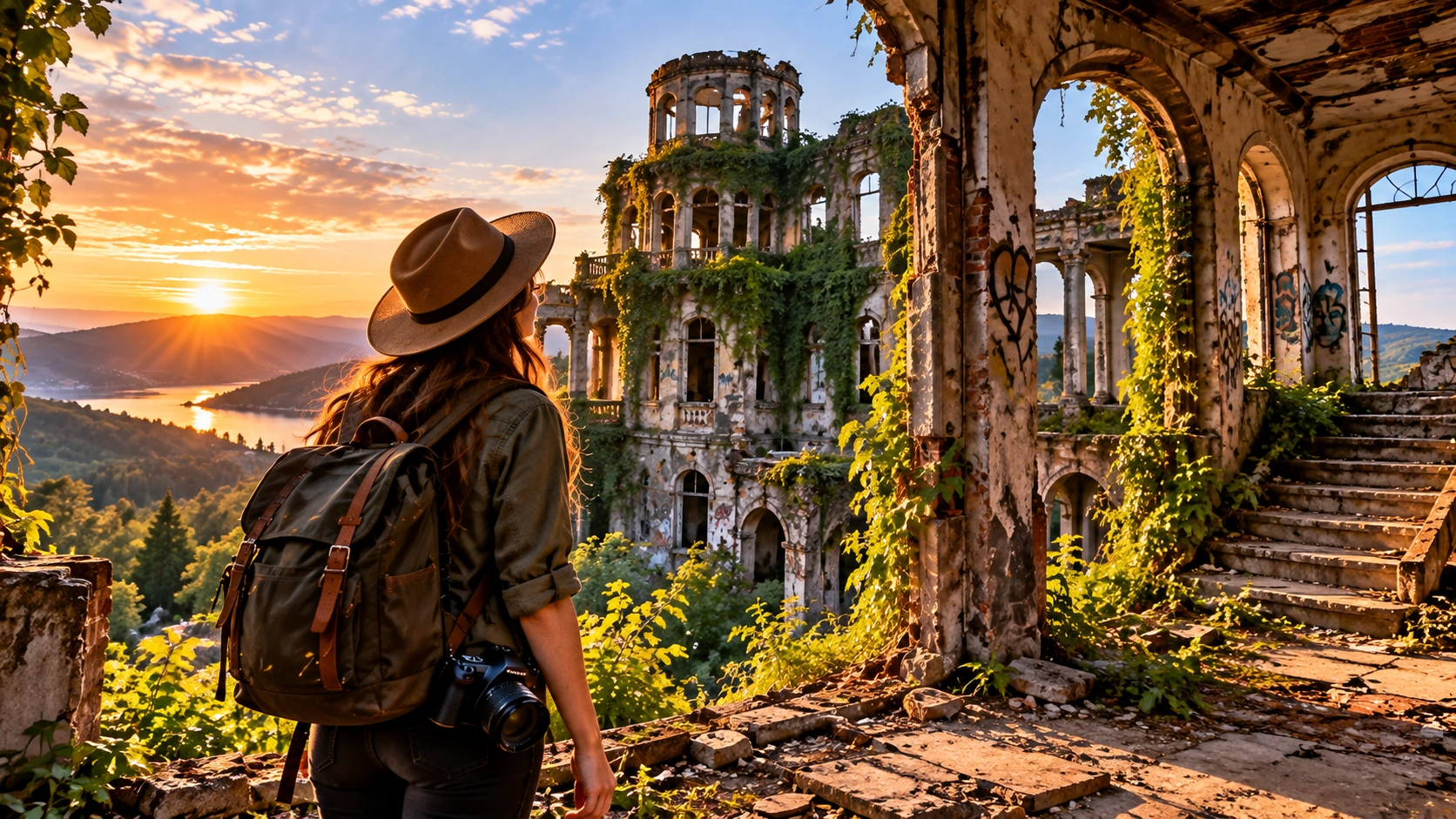
Abandoned buildings, forgotten towns, deserted industrial sites, unusual landmarks, and mysterious locations attract curious travelers from around the world. While these places may appear empty or forgotten, they often contain fascinating stories about the people, industries, communities, and events that once shaped them.
The interest in unusual places is not only about adventure. For many people, exploring these locations provides an opportunity to discover history, appreciate unusual architecture, experience something different, and imagine what life may have been like in another time.
Curiosity About the Unknown
One of the biggest reasons people are attracted to abandoned places is curiosity. An empty building naturally raises questions. Who lived or worked here? Why was it abandoned? What happened to the people who once occupied it?
Unlike traditional tourist attractions, abandoned locations may not provide all the answers immediately. Their incomplete stories encourage visitors to investigate and learn more.
That sense of discovery can make the experience particularly memorable.
A Connection With History
Many unusual places are connected to important periods of local or regional history. An abandoned factory may represent the rise and decline of an industry. An old railway station can reveal how transportation once connected communities. A deserted neighborhood may tell a story about economic change, migration, natural disasters, or changing infrastructure.
Exploring such places can therefore become an informal history lesson. Visitors are not simply looking at old structures; they are seeing physical evidence of changes that happened over time.
Fascination With Architecture
Abandoned locations can also attract people because of their architecture. Old theaters, hospitals, hotels, houses, factories, schools, and industrial buildings may contain design details that are rarely found in modern construction.
Weathering, peeling paint, aging materials, and natural vegetation can create a distinctive visual atmosphere. Photographers and architecture enthusiasts often appreciate these details because they provide a different perspective on buildings and design.
Photography and Visual Storytelling
Abandoned and unusual places are popular subjects for photography because they often create dramatic compositions. Empty hallways, old furniture, weathered walls, broken windows, and overgrown gardens can tell stories without requiring many words.
Photographers can use these environments to explore themes such as time, change, memory, and decay. Even a simple photograph of an empty room can make viewers wonder about its former occupants.
The Thrill of Exploration
There is also an adventurous side to exploring unusual places. Finding something that is rarely visited can feel more exciting than following a conventional tourist route.
However, exploration should always be responsible. Abandoned buildings can contain unstable floors, exposed electrical systems, broken glass, hazardous materials, or other dangers. Some locations are also privately owned or legally restricted.
People should never enter a property without permission simply because it appears abandoned. Responsible exploration means respecting property boundaries, local laws, safety requirements, and preservation rules.
Escaping Ordinary Tourist Experiences
Many travelers enjoy unusual places because they offer something different from crowded attractions. Instead of visiting the same popular landmarks as everyone else, they may look for lesser-known historical sites, unusual landscapes, forgotten structures, or distinctive local attractions.
These experiences can make travel feel more personal. Discovering a fascinating location away from the usual tourist route can become one of the most memorable parts of a trip.
Mystery Makes Places More Interesting
Stories and unanswered questions can add another layer of attraction. An unusual building may have a strange history, while an abandoned settlement may have a surprising reason for its decline.
People naturally enjoy putting together pieces of information to understand what happened. When a location has a mysterious background, visitors may research old photographs, newspaper reports, maps, and historical records to learn more.
It is important, however, to distinguish documented history from rumors. Not every mysterious story associated with an abandoned place is historically accurate.
A Reminder That Places Change
Perhaps the most meaningful reason people explore abandoned places is that they demonstrate how quickly circumstances can change. Buildings that were once busy centers of daily life can eventually become empty. Industries can disappear, communities can relocate, and new developments can replace old neighborhoods.
Seeing these changes in physical form can encourage visitors to think about history, preservation, and the future of modern cities.
Exploring With Respect
The appeal of abandoned and unusual places is understandable, but responsible exploration should remain a priority. Visitors should avoid trespassing, damaging structures, removing objects, or disturbing historical remains.
When possible, choosing officially accessible heritage sites, guided tours, and preserved locations allows people to experience unusual history while supporting conservation.
Ultimately, people love exploring abandoned and unusual places because these locations combine curiosity, history, architecture, photography, and discovery. They offer a chance to step outside ordinary tourist experiences and see how time has transformed the places people once considered permanent.