
 Sponsored pet-care guide
Paid placement · Dog nutrition
Questions to Consider Before Changing Your Dog’s Food
A practical, balanced look at homemade-food guides, ingredient choices, portions, preparation, and the professional advice worth getting first.
Educational information only; consult a veterinarian before changing a dog’s diet.
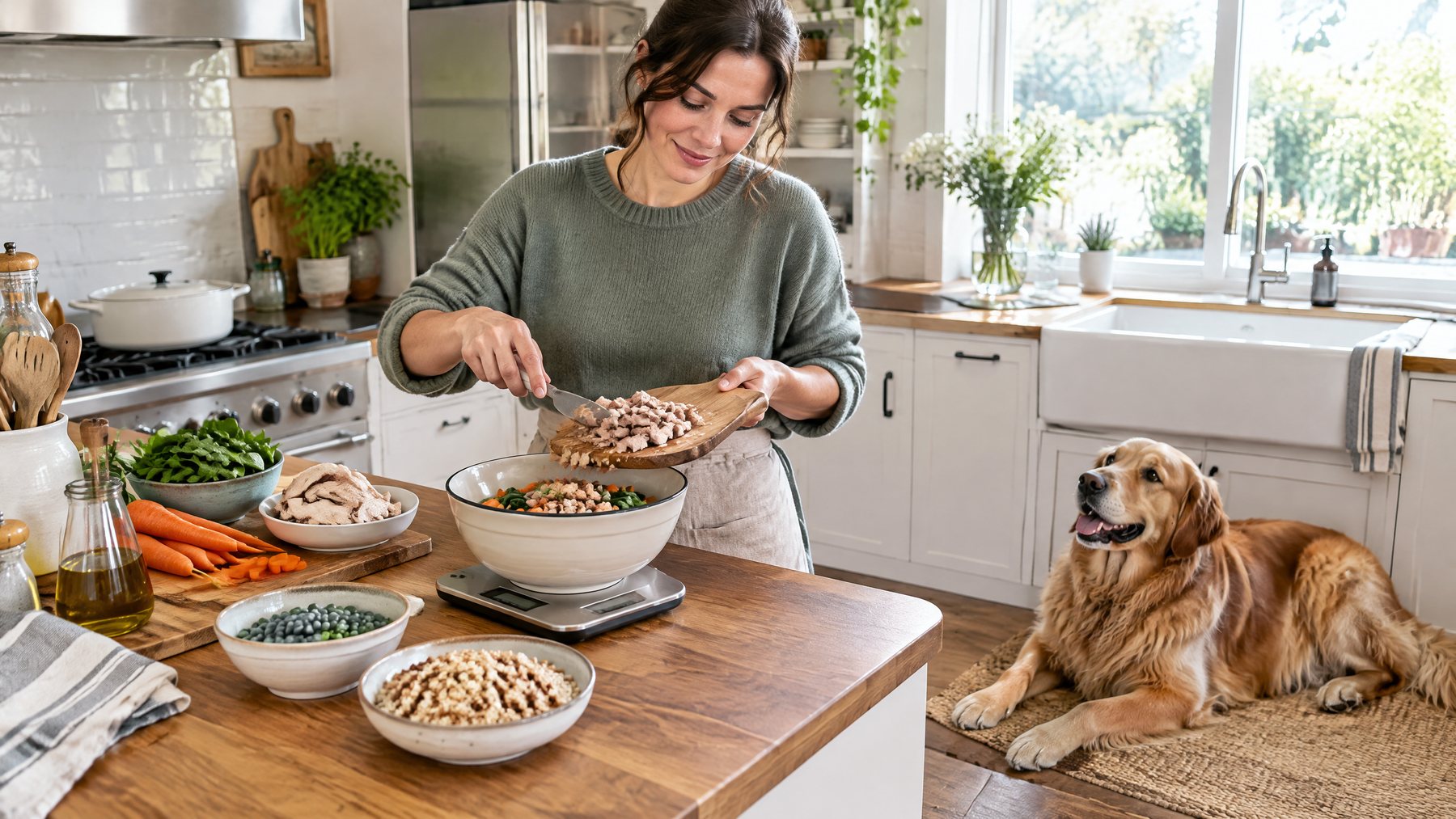
Editorial image; not a product package, treatment recommendation, or representation of results.
A measured starting point
Homemade food is a nutrition question, not just a recipe
Changing a dog’s food can involve ingredients, portions, preparation, storage, allergies, age, activity, and existing health conditions.
The separate provider describes a recipe-focused guide for homemade dog food. Treat it as an information resource to review with a veterinarian—not as a complete or individualized nutrition plan for every dog.
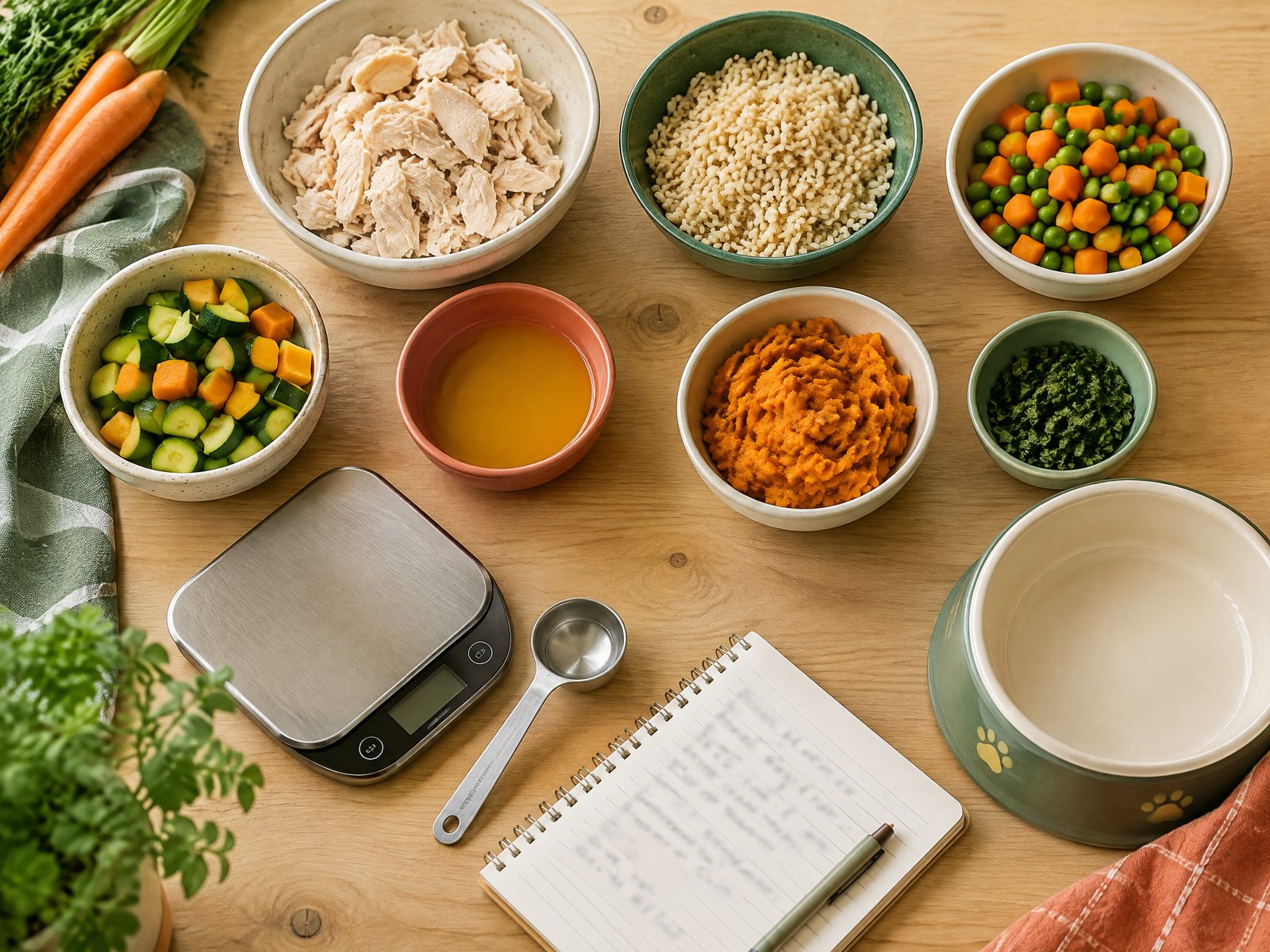
Illustrative editorial image; ingredients shown are not a complete diet recommendation.
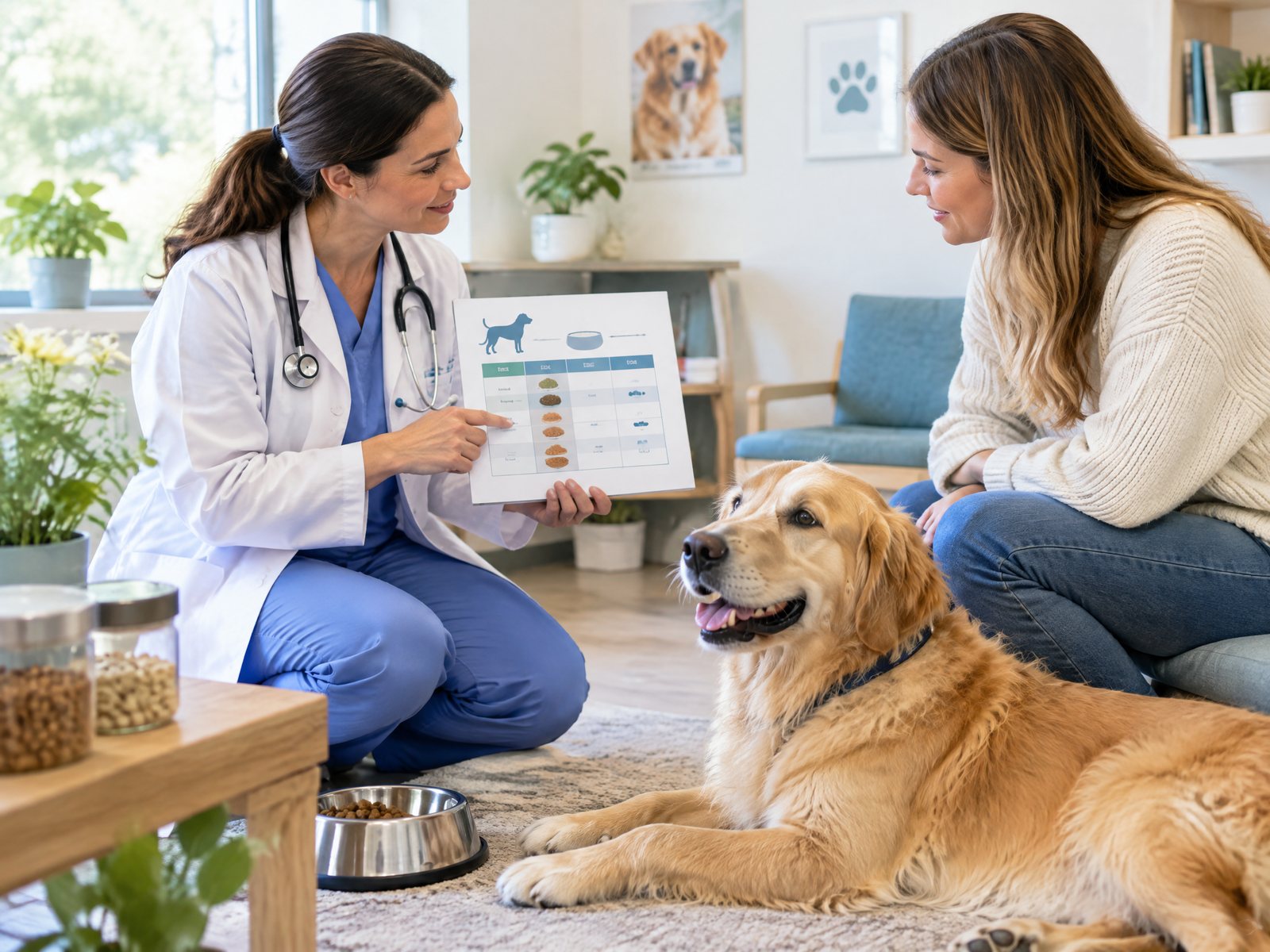
Illustrative editorial image; not a diagnosis or treatment recommendation.
What to review
Build a feeding plan around the individual dog
A useful guide should prompt careful questions rather than suggest that one recipe works for every pet. The provider controls current contents, format, price, delivery, and refund terms.
A simple decision process
Questions to ask before trying a new routine
Use a few practical checks to decide whether a homemade-food resource is relevant to your situation.
Start with your dog’s needs
Consider age, size, activity, allergies, medication, and any existing health concerns.
Review the details
Look for specific measurements, preparation instructions, storage guidance, and clear limitations.
Ask a professional
Have a veterinarian review the plan before making a major diet change or using it long term.
Safety first
What a recipe guide cannot replace
Veterinary organizations note that homemade diets require precision and professional guidance to avoid nutritional gaps or excesses. A generic online guide is not a substitute for individualized veterinary nutrition advice.
- Your dog has an illness, allergy, medication, or prescribed diet.
- Your dog is a puppy, senior, pregnant, nursing, or has special nutritional needs.
- You are considering raw ingredients or need current food-safety guidance.
- Your dog shows pain, vomiting, appetite changes, weight changes, or other concerning symptoms.
- You need to understand the provider’s current product terms before ordering.
Independent guidance worth reading
AAHA’s homemade pet-food guidance emphasizes recipe precision and veterinary oversight. WSAVA nutrition resources focus on individualized plans. For raw-food handling, see the FDA’s current safety information.
What this page does not promise
This advertorial does not promise that commercial food causes disease, that homemade food prevents disease, or that any recipe will improve health, extend life, reduce costs, or work for every dog.
Take a closer look at the current dog-food guide
Review the provider’s own description and current terms, then decide whether its educational material is appropriate to discuss with your veterinarian.